In physical dependence assay (isoniazid challenge assessed at 6, 14, 42 and 72 h after conditioning medication), when compared to diazepam non-conditioned healthy mice, in diazepam conditioned mice residual anticonvulsive activity was not present already at the earliest post-conditioning interval (i.e., not different latency to isoniazid-convulsions), whereas shorter preconvulsive latencies (as physical dependence/withdrawal hallmark) were noted in diazepam conditioned mice following isoniazid challenge at 42 h and at 72 h after end of conditioning treatment

How BPC-157 Protects the Liver The mechanisms appear to work on multiple fronts: Anti-inflammatory: Reduces pro-inflammatory cytokines (TNF-alpha, IL-6, IL-1-beta) Antioxidant: Neutralizes free radicals and increases antioxidant enzyme expression Anti-fibrotic: Downregulates factors that promote collagen deposition and scarring Cytoprotective: Protects hepatocytes from apoptosis (programmed cell death) Vascular: Supports angiogenesis and blood vessel repair in damaged liver tissue For a deeper look at the full range of BPC-157 research, see our BPC-157 complete guide
BPC-157 + TB-500 (Thymosin Beta-4) Why it works : BPC-157 excels at localized healing (joints, tendons, muscle), while TB-500 supports systemic recovery by increasing actin production and improving cellular migration
In a study, it was found that a significant ACE inhibition was induced by casein-derived ACE-inhibitory tripeptide Leu-Leu-Tyr (LLY) through a conformational shift in ACE
Frequently Asked Questions about Vitamin B12 Injection at Canada Pharmacy Online Why is Vitamin B12 Injection more affordable in Canada than in the United States
















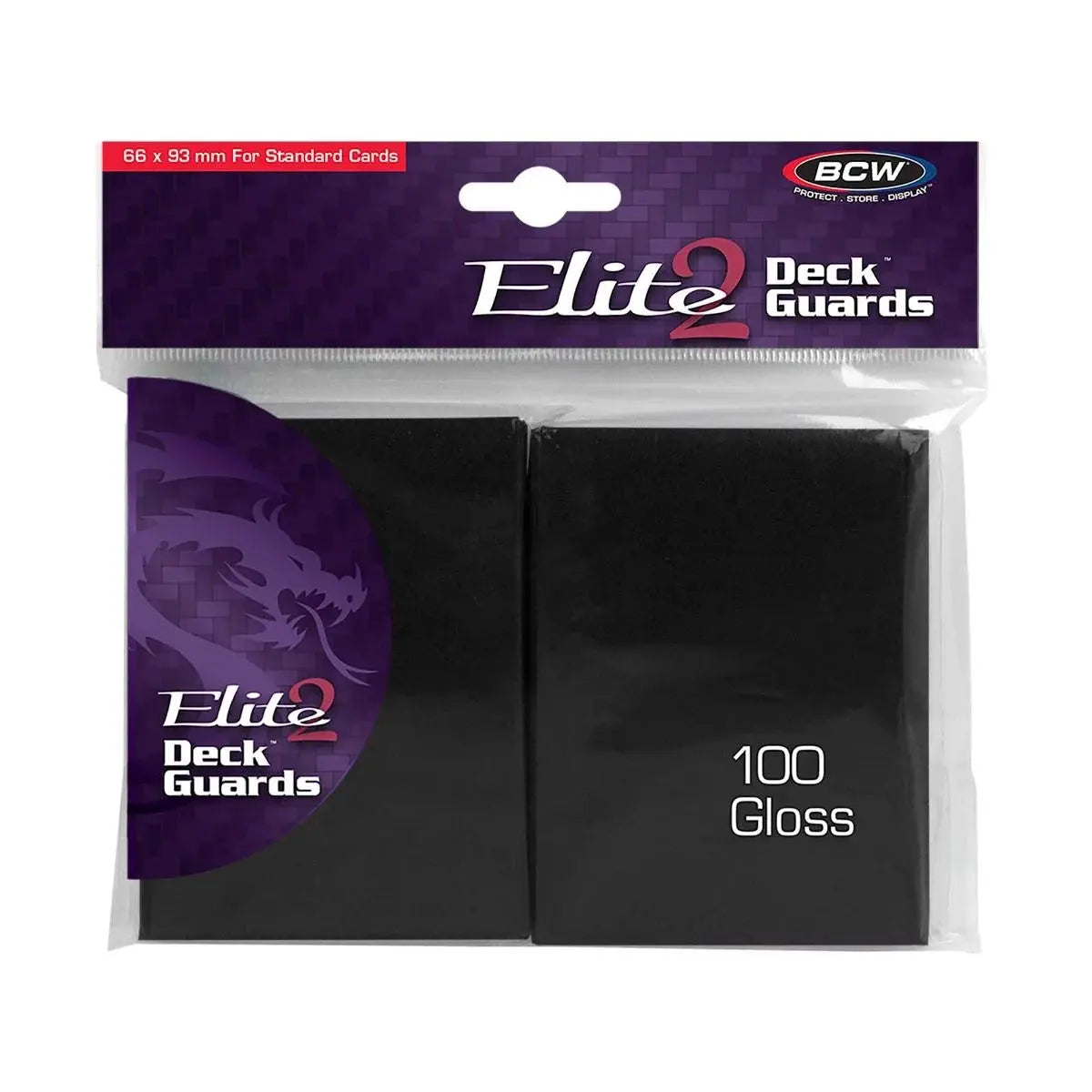


![Divine Fox Priestess Sakuya Standard Size Card Sleeves [In-Stock]](https://usagidraws.com/cdn/shop/files/SAKUYA1_ee740914-0202-4c30-990a-e44ecdc9bffc_1024x1024@2x.jpg?v=1759301795)