Do not wait until you feel dehydrated
Facebook Instagram TikTok Youtube About NBC Connecticut Our News Standards Submit Tips for Investigations Newsletters Contact Us WVIT Accessibility Xfinity: Internet, TV, streaming, more WVIT Public Inspection File WVIT Accessibility WVIT Employment Information FCC Applications Privacy Policy Your Privacy Choices Terms of Service Advertise with us Send Feedback CA Notice Ad Choices Copyright 2026 NBCUniversal Media, LLC

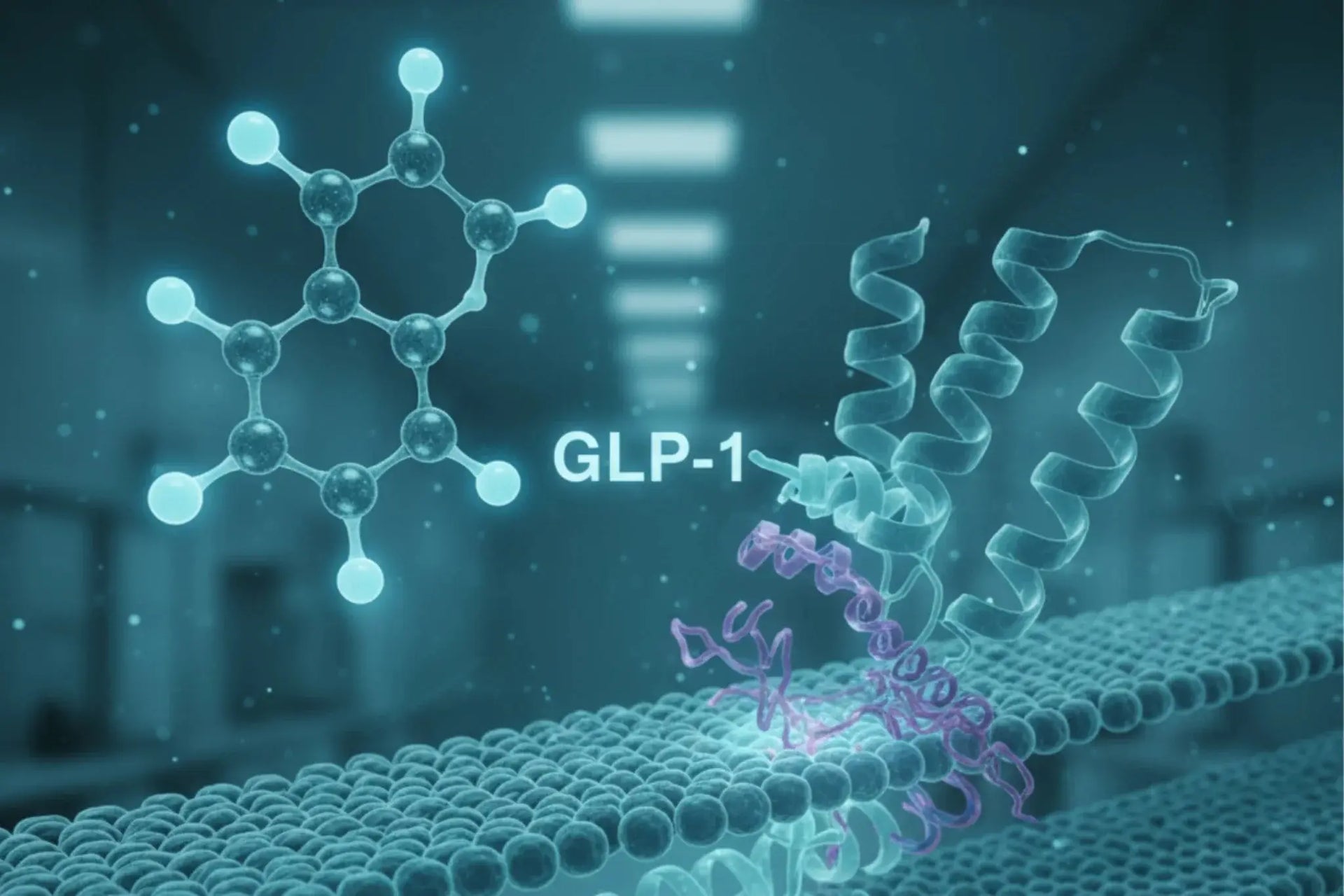
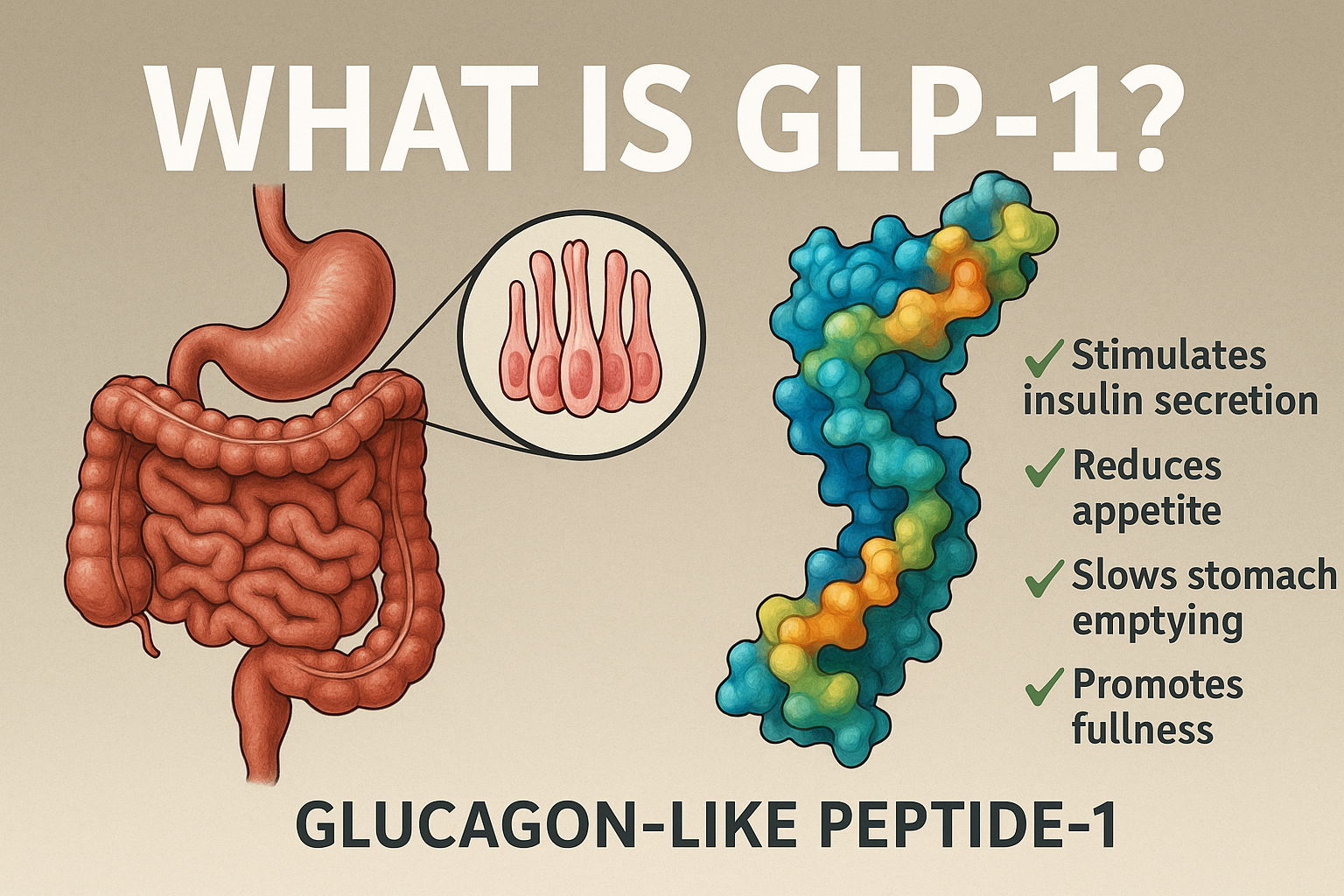
GLP-1 can stimulate pancreatic -cells to release insulin.236,237 Insulin not only directly lowers blood glucose levels but also further inhibits glucagon secretion from -cells through a feedback mechanism.238 The high concentration of insulin in the local pancreatic environment creates a negative feedback effect, reducing the amount of glucagon secreted by -cells.234 Additionally, GLP-1 can reduce blood glucose production by delaying gastric emptying and decreasing appetite, which also contributes to overall blood glucose control.239,240 In summary, GLP-1 lowers blood glucose levels and inhibits glucagon secretion through direct action on -cells, promotion of insulin secretion, and regulation of gastrointestinal activity.241 GLP-1R is expressed not only on -cells and -cells but also on -cells in the pancreatic islets.242 -cells primarily secrete somatostatin, which is an important regulatory hormone.242 The expression of GLP-1R on -cells helps to inhibit the secretion of glucagon.242 When GLP-1 binds to GLP-1R on -cells, it activates these cells and promotes the secretion of somatostatin.243 Somatostatin is a potent inhibitory hormone that affects the surrounding -cells and -cells

Before taking a supplement, get the go-ahead from your clinician
markets reached record highs in April, driven by strong corporate earnings and enthusiasm around AI